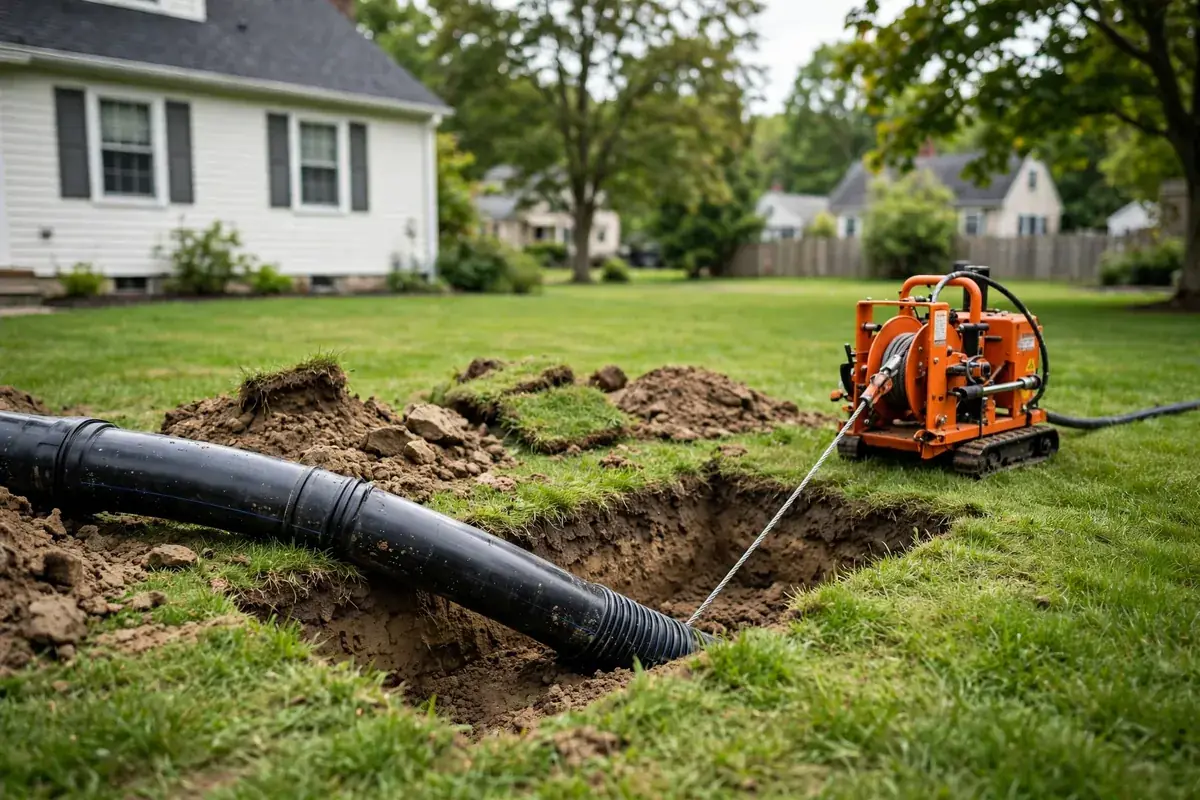
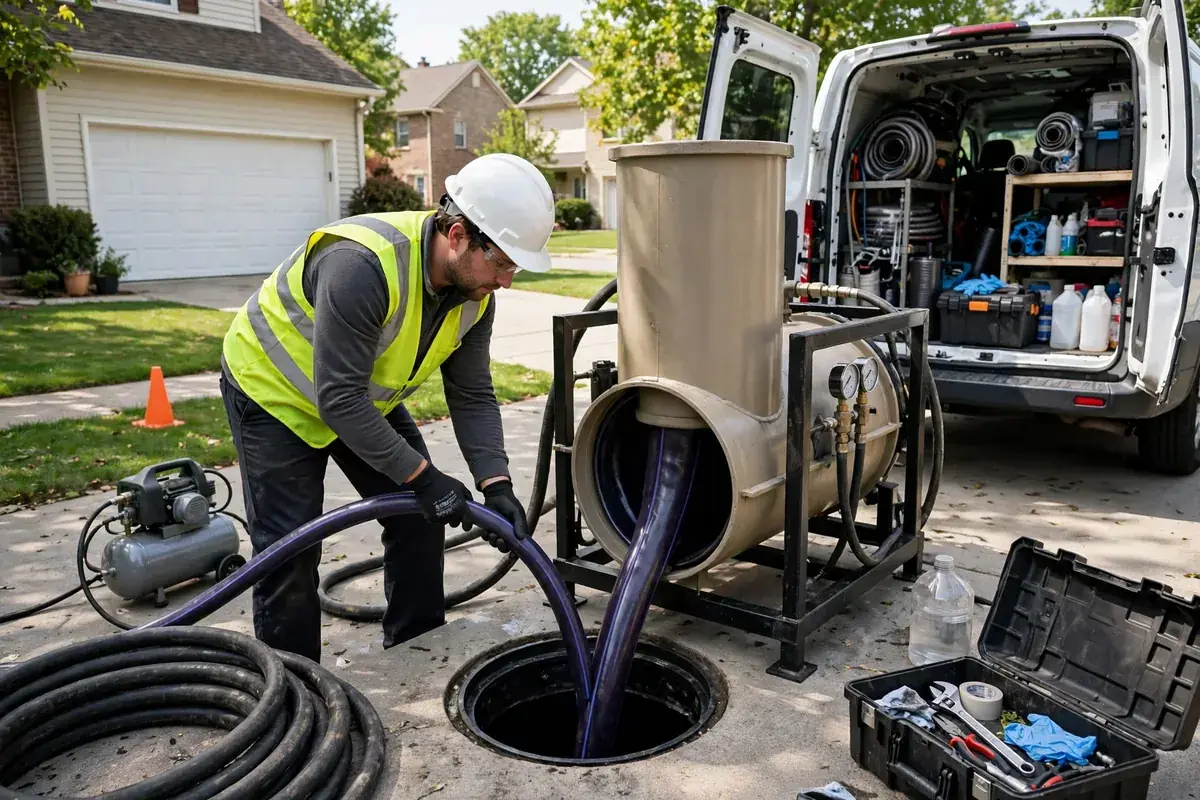
Trenchless sewer repair rebuilds or replaces a damaged sewer line through one or two small access points instead of a full-length trench. The two main methods are cured-in-place pipe (CIPP) lining, which forms a new pipe inside the old one, and pipe bursting, which splits the old pipe and pulls a new one into its place. It can save driveways, walkways, trees and lawns — but it isn't right for every line. Call (855) 554-1144 to talk to a local contractor about whether your pipe is a candidate.
Is my sewer line a candidate for trenchless repair?
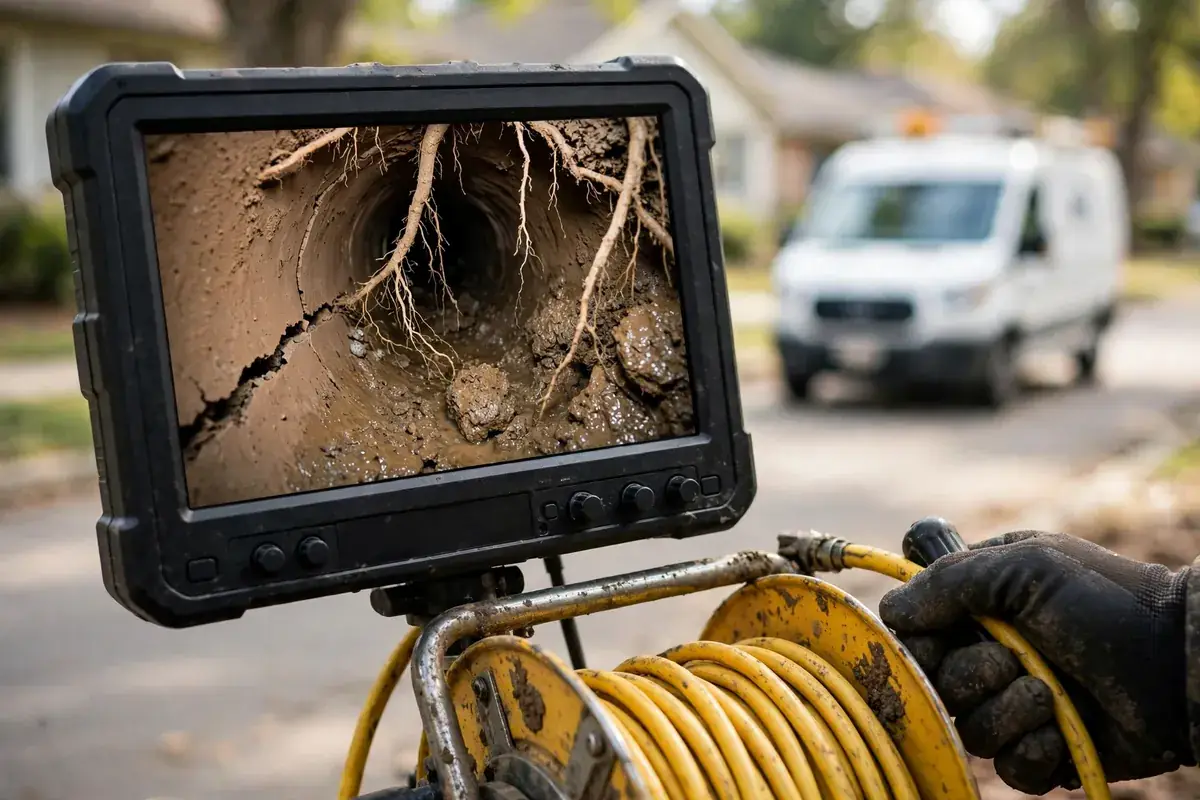
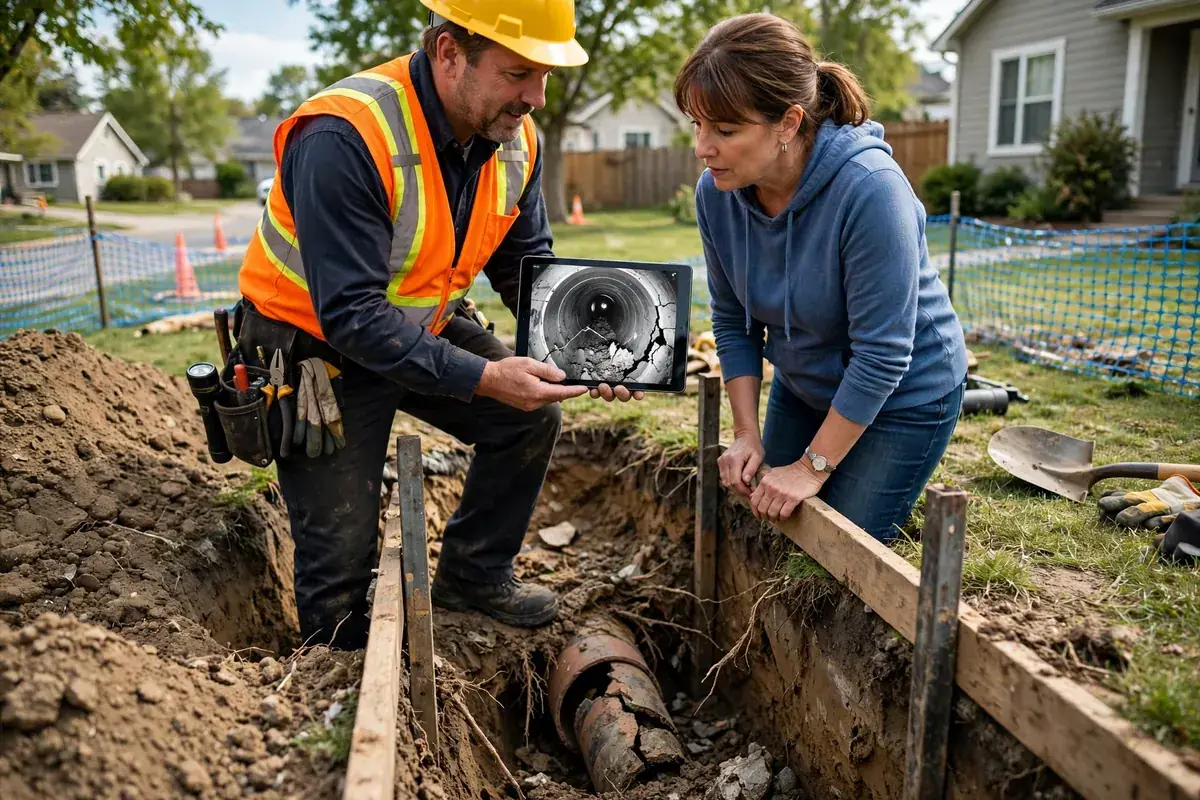
A contractor will look at the camera footage and the site before recommending trenchless. Good signs include:
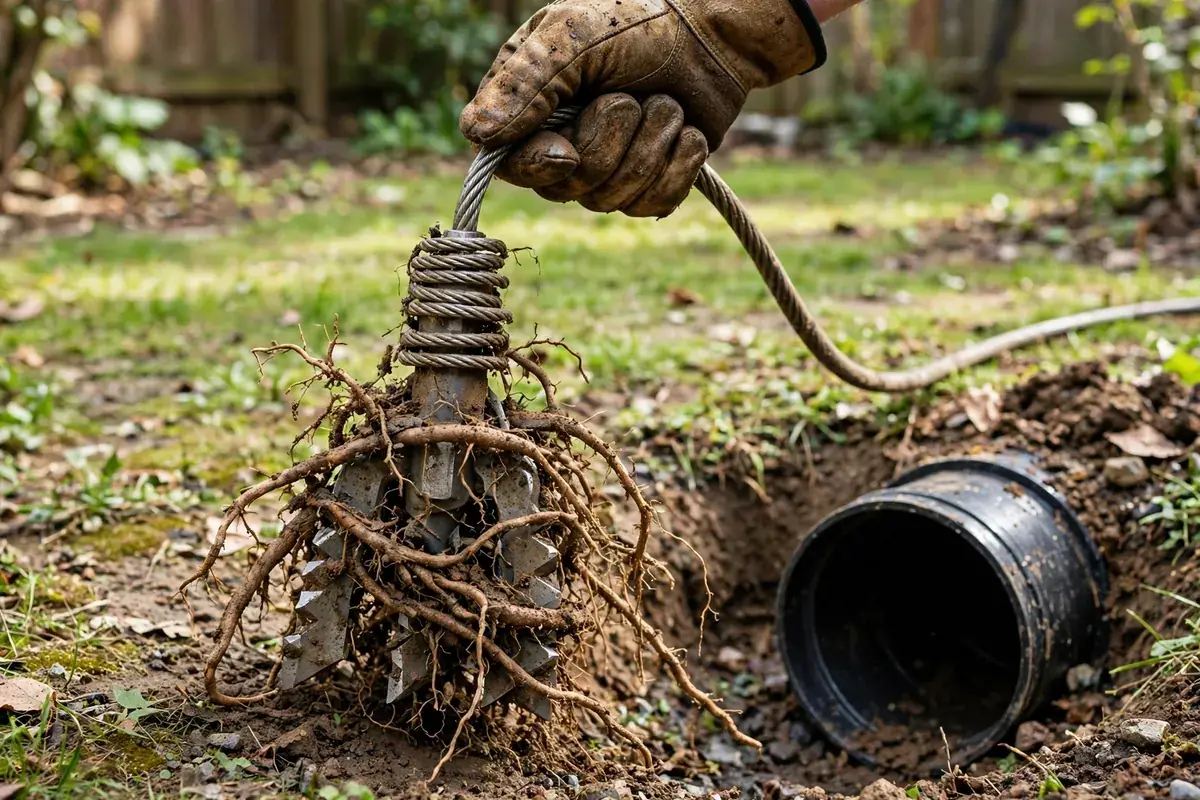
The pipe is cracked, leaking or full of roots but still round enough to line.
There's a usable cleanout or a sensible spot for a small access pit.
The line runs under something expensive to disturb — a driveway, patio, porch, mature tree or finished landscaping.
There is no long belly holding water.
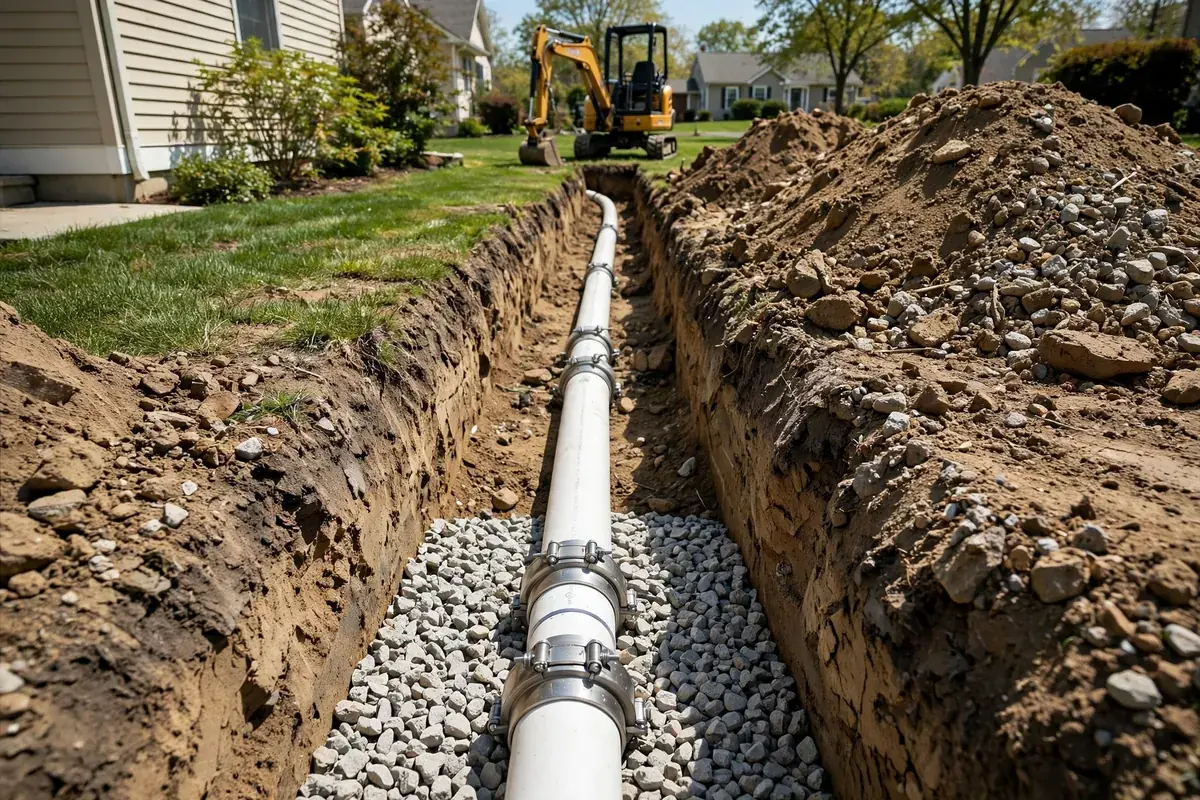
Signs it may not work: a collapsed section, a sag the camera can't get past, Orangeburg so deformed a liner can't be installed, or ledge exactly where a bursting path would go. In those cases, a partial dig or full sewer line replacement may be the honest answer.
Trenchless repair in Connecticut conditions
Connecticut's ground is part of the decision. Many hill towns have glacial till, boulders and shallow ledge, which can make excavation slow and costly — a strong argument for lining when the pipe qualifies. Shoreline and river-valley neighborhoods often have a high water table that complicates open trenches. Dense city blocks in places like Hartford, New Haven and Waterbury have tight lots, shared driveways and sidewalks over the lateral, where a no-dig approach can avoid a lot of disruption.
Older homes add another wrinkle: cast-iron building drains inside the basement, clean-outs that were never installed, and connections at the main that may need a separate fix. A good contractor will explain which sections can be lined and which need conventional work, as part of a complete sewer line repair plan for your Connecticut home.
What the trenchless process looks like
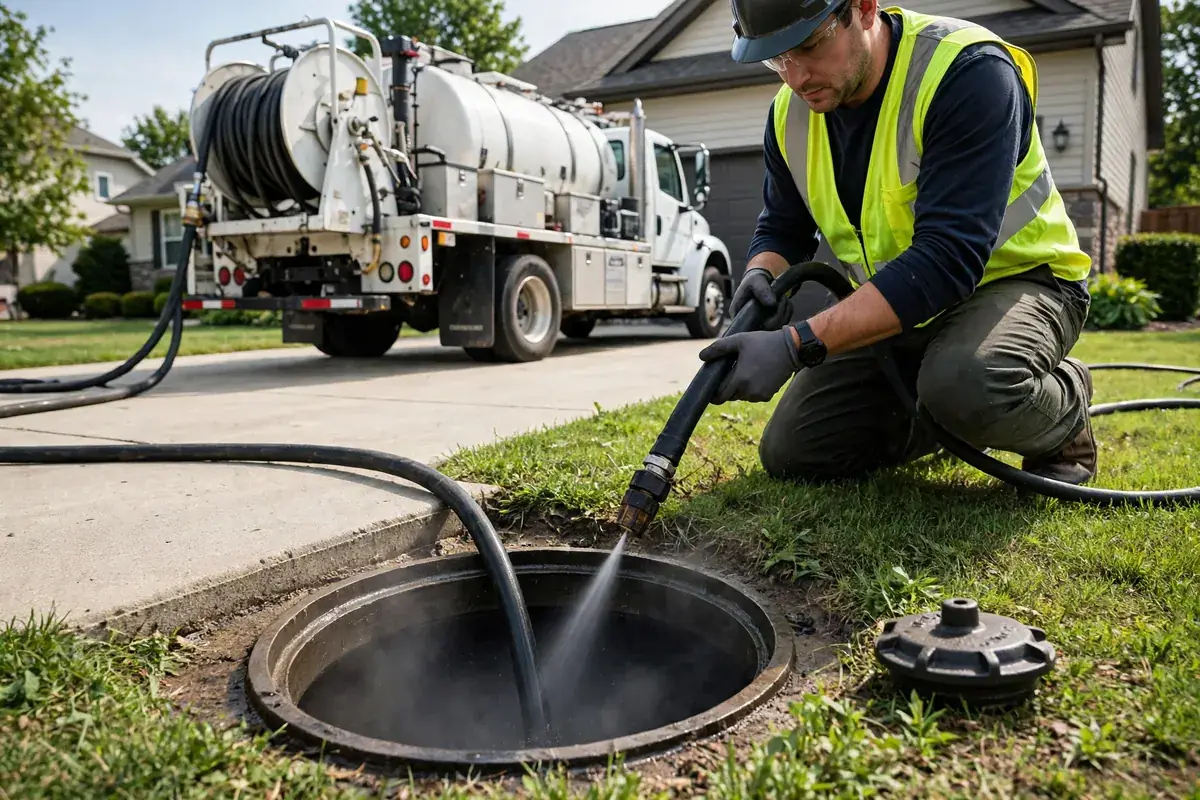
Clean the line — usually hydro-jetting to remove roots, grease and scale so the liner can bond.
Camera inspection — to measure, map and confirm the pipe is a candidate (see sewer camera inspection).
Access — through a cleanout or one or two small pits.
Install — the liner is inserted and cured, or the new pipe is pulled through by bursting.
Reinstate and verify — branch connections are reopened if needed and a final camera pass confirms the result.
What affects the cost of trenchless sewer repair?
Trenchless pricing depends on length, pipe diameter, the number of bends and connections, access, the condition of the host pipe and whether digging is still needed at the street. It can cost more per foot than open trenching but often saves on driveway, landscape and hardscape restoration. Ask for a written scope that names the method, the liner or pipe material, the length treated and what happens at each end.
Ready to talk it through?
Call (855) 554-1144 to be connected with an independent local contractor for trenchless sewer repair in your Connecticut town. Describe the symptoms, your town and any past work — it helps them give you useful answers fast.
Our process
How It Works
From your first call to the finished repair.
01
Describe the problem
Call and explain the symptoms, the property type and your town. It takes a few minutes.
02
Get connected
We route your call to an independent local sewer contractor serving your area, subject to availability.
03
Inspection & diagnosis
The provider investigates — often with a camera — and explains what they find and where.
04
Choose your fix
Review the options and written scope, then decide. You work directly with the provider.
Service areas
Trenchless Sewer Repair Across Connecticut
Choose your community for local details — neighborhoods, sewer setup and ground conditions — plus every sewer service available there.
Manufacturers commonly rate cured-in-place liners for decades of service when properly installed. Ask your contractor which liner system they use and what warranty, if any, comes with it.
Does trenchless repair need any digging?
Sometimes none, often a little. Lining can sometimes be done through an existing cleanout; bursting requires an entry and exit pit. Either is far less digging than a full trench.
Can trenchless fix a sagging (bellied) sewer line?
No. A liner follows the existing pipe, so it can't change the slope. A sag usually needs excavation and re-bedding of that section.
Will lining reduce flow?
Lining slightly reduces the inside diameter, but the smooth new wall often flows as well as or better than the rough old pipe. Pipe bursting can keep or increase the diameter.
Is trenchless allowed in my town?
Trenchless methods are widely used in Connecticut, but permits and inspections still apply. Your contractor should confirm local requirements with the building department or WPCA.
Tell us what's happening at your property and we'll connect you with an independent local sewer contractor who can diagnose it and explain your options.